I remember standing in the back of our primary fulfillment center in mid-January last year, shivering and staring at a literal wall of cardboard. We’d just survived a staggering 5.3x return spike during the BFCM rush, and the physical reality of a bottleneck wasn't just a metaphor—it was a 12-foot barrier of uninspected "ghost inventory" blocking our fire exits. We were trying to scale, but our internal team was drowning. Our customer service tickets were up 400% with people asking the same thing: "Where is my refund?" It was the visceral moment I realized that if we didn't figure out how to change shopify inventory location to 3rd party management—and get serious about demand forecasting—we were going to scale ourselves right into a bankruptcy.
Scaling Your Backend: How to Change Shopify Inventory Location to 3rd Party
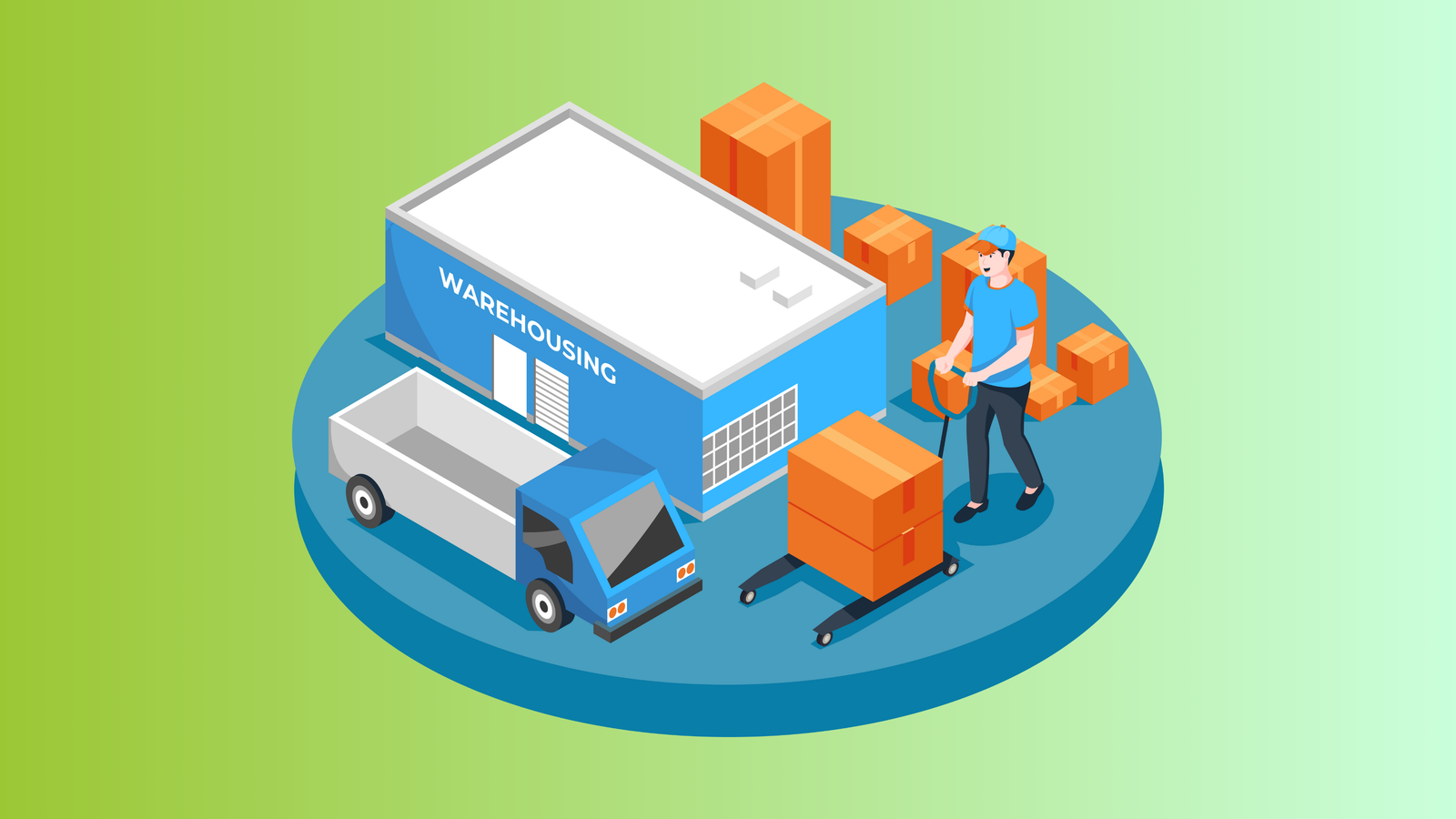
When you start a brand in a garage, Shopify’s default "Origin" location is your best friend. But as you grow, that friend starts to feel a lot like a weight. Transitioning to a 3rd party warehouse or a 3pl is the only way to protect your sanity. It isn’t just about moving boxes; it’s about moving the data that tells Shopify where those boxes are.
If you are currently asking how to change shopify inventory location to 3rd party providers, you need to understand that Shopify treats these as distinct "Locations." You aren't just changing an address; you’re changing the logic of your store.
-
Add the Location: Head to your Shopify admin, go to Settings, and click on Locations. From there, you add the physical address of your 3PL.
-
Mapping the Products: This is where the manual work happens. You have to go into each product (or use a bulk editor) and change the "Inventory will be stocked at" dropdown to your new 3PL location.
-
Fulfillment Priority: You need to tell Shopify which location to pick from first. If you still have some stock in your office, you might want to prioritize the 3PL to get that warehouse space back.
Here’s where ops breaks: many brands set up the location but forget to enable "Track Quantity." If Shopify doesn't think there is stock in that new 3rd party warehouse, your site will show "Sold Out" even if your 3PL has 5,000 units on the shelf. (Honestly, staring at a $0.00 sales day because of a checkbox is a special kind of pain).
Now the logistics math that matters: every day your inventory sits in a "Location" that isn't connected to your sales channel, you are paying for storage on items you physically cannot sell.
The Core of Agility: Types of Forecasting in Supply Chain Management
You can't manage a 3PL if you don't know what to ship them. This is where forecasting in supply chain managementmoves from a "nice to have" to a survival skill. Many operators treat forecasting like a weather report—they look at it, complain about it, but don't actually change their behavior.
There are two primary types of forecasting in supply chain management:
-
Quantitative Forecasting: This is the math-heavy side. It relies on historical shopify inventory data and sales records to predict the future. If you sold 1,000 units last June, you’ll likely sell 1,100 this June.
-
Qualitative Forecasting: This is the "gut check." It uses market research, expert opinions (like your sales team), and broader industry trends.
But wait, there’s a trap. I recall an honest failure case where a beauty brand relied 100% on quantitative data for their holiday launch. They didn't account for a massive competitor launch in the same week. Their "Historical Data" said they’d sell out; their reality was a 60% surplus that sat in a warehouse for nine months. (I’m of the opinion that a forecast without a "competitor delta" is just a guess with a fancy name).
Mastering Demand Forecasting in Supply Chain Management
To truly master demand forecasting in supply chain management, you need to look at "Demand Sensing." This isn't just looking at what happened last year; it’s looking at what is happening right now.
Modern supply chain forecasting methods use real-time data to adjust. For example, if you see an influencer post go viral on a Tuesday, your forecast for the following week should update automatically. This allows you to communicate with your 3PL (like ShipBob or GoBolt) to staff up for the surge.
Now the logistics math that matters: the cost of a stockout is often higher than the cost of overstocking. If a customer sees "Sold Out," they don't just wait; they go to Amazon. You lose the sale and the LTV (Lifetime Value). By using demand planning forecasting correctly, you can reduce your safety stock levels by 15-20% without increasing your risk of a stockout.
Operators always ask me... (FAQ)
Common question I see: "Does Shopify automatically route orders to the closest 3PL?" The answer is: Not by default. You have to set up "Shipping Profiles" and "Order Routing Rules." If you have three different 3pl locations across the US, you need to tell Shopify to pick the one with the lowest "Zone" cost. If you don't set this up, you might ship a New York order from your California warehouse, even if you have stock in New Jersey.
"What's the best supply chain forecasting method for new product launches?" Operators always ask me this when they have zero historical data. In this case, you use a "Delphi Method" or market research. You look at similar SKUs in your category and apply a "Growth Multiplier." But honestly, the most important thing for a launch is "Agility Forecasting." Don't commit to a 10,000-unit run if you don't have a plan for where to put the returns if it flops.
The Honest Failure: The Refund Delay Impact
I recall an honest failure case with an apparel brand in late 2024. They had a world-class 3rd party warehouse setup. They were perfectly optimized on the inbound. But they ignored the "Reverse Supply Chain."
During their peak surge, their 3PL hit a labor bottleneck. Returns weren't being scanned. Customers were waiting 18 days for a refund. This led to a 400% spike in customer support tickets. Each ticket cost them roughly $8 in agent time. The "Refund Delay Impact" actually cost them more than the original shipping of the product.
Conclusion: Balancing the Art and the Atoms
Mastering how to change shopify inventory location to 3rd party is just the first step in your logistics journey. It is the tactical baseline. But the brands that win in 2026 are the ones that move from "managing locations" to "optimizing velocity."
While the centralized warehouse model served us well for decades, the costs of shipping and labor have made it a bottleneck for growth.
Would you like me to run a "Logistics Stress Test" on your last 1,000 returns to see how much cash is currently trapped in your centralized return cycle?