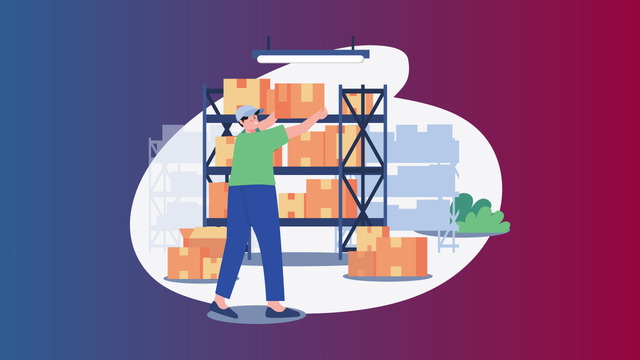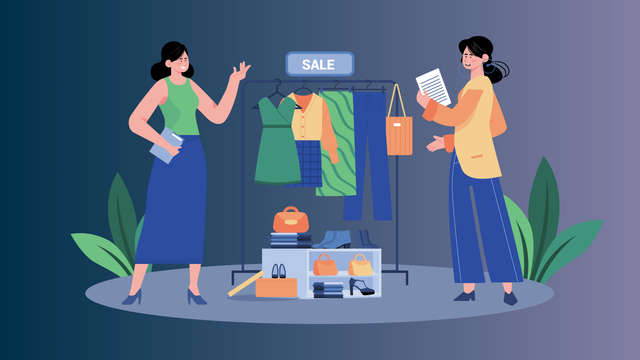
Traditional Returns vs. The 2026 "No-Box" Network
The industry is finally shifting away from the "print-tape-ship" model because it's expensive for everyone. For a brand, the cost of processing a single mailed return can balloon to $35, whereas a decentralized local drop-off costs closer to $5.
The "Accidental Reseller" Playbook
When you miss that 30-day window, you've essentially made a forced investment. In 2026, savvy shoppers don't let those items rot in the back of the closet; they treat them as liquid assets. Here is how the "Closo Stack" handles that transition:
-
Quick Importing: If you already have the item listed on one site, the Closo 100% Free Crosslister pulls that data into a central hub. You don't have to re-type the fabric content or measurements for eBay, Poshmark, and Mercari separately.
-
Demand Signals: Instead of guessing if that designer dress is still "in," Closo Demand Signals scan real-time search velocity. If the data shows a spike in "90s Minimalist" or "Gorpcore," you price it at the top of the market.
-
AI Agents: If you have writer's block, Closo AI Agents analyze your photos to generate SEO-rich descriptions. They recognize brand-specific details (like Saffiano leather or taped seams) that you might miss, protecting you from "Item Not as Described" returns.
The Math of Recovery Value
To see if reselling is worth your time vs. eating the return fee, you can calculate your Net Recovery Value ():
Where:
-
= Resale Price
-
= Cost of Shipping
-
= Marketplace Fees (e.g., 10-20%)
-
= Administrative Time Value (roughly $0 if using automation)
If is greater than the original price minus the return fee, the resale "hassle" is actually a profit.
A Note on Sustainability
Every individual return package generates roughly 200-500g of just in the shipping leg. By using local hubs, you're essentially "restocking" the item in your own neighborhood's micro-inventory, cutting the long-haul emissions to zero and keeping the item in the circular economy.
How to navigate standard brand returns
When you buy something online from a major retailer and decide it doesn't work out, the standard return flow is usually pretty predictable. First, you log into the retailer's website and dig through your order history to find the "Start a Return" button. You select the item, choose a reason for the return from a drop-down menu, and submit the request.
The retailer then generates a shipping label for you to download. You have to locate the original packaging (or buy a new mailer), tape the box shut securely, and print the label. Once the package is ready, you drive to a shipping carrier like UPS or USPS to drop it off. You scan the package, get a paper receipt, and then you wait. The package travels back to a massive warehouse, gets inspected by a warehouse worker, and eventually, the accounting department releases your funds back to your credit card.
Common issues shoppers face with standard returns
Here is what most shoppers don't realize until they are actively trying to get their money back: the traditional system is entirely broken. The standard process is packed with friction points that make consumers want to pull their hair out.
The most glaring problems include:
-
Return fees: Brands are increasingly deducting $5 to $10 from your refund just to cover the cost of the label.
-
Printing labels: Not everyone owns a working printer anymore (yes, I’ve done this too—I once had to go to FedEx Office just to print a single label for a pair of pants).
-
Long refund windows: It can take up to three weeks for a package to reach a warehouse and for the refund to actually hit your bank account.
-
Limited drop-off options: If you work a traditional nine-to-five job, finding a carrier facility that is actually open when you are off the clock is incredibly difficult.
-
Shipping delays: Packages get lost. I dropped off a heavy coat last winter at a carrier bin, and the tracking never updated. I lost $150 because the brand claimed they never received it.
-
Packaging hassle: Keeping track of poly-mailers and packing tape makes your home look like a shipping facility.
-
Multi-step verification: Some brands require you to upload photos of the item before they even authorize the return label.
Honestly, I don't know why brands still do this. It creates such a negative post-purchase experience that it actively discourages people from ever shopping with them again.
Over the past year, new return options popped up that avoid most of these headaches — especially ones that skip shipping entirely.
A modern alternative — local, box-free returns
Instead of dealing with the postal service, a new infrastructure is changing how we hand items back. When a brand integrates with Closo, the traditional shipping label process is completely eliminated.
Instead of printing a label, you receive a digital QR code on your phone. You do not need to find a cardboard box, and you do not need to buy packing tape. You simply take the unboxed item to a local drop-off point—often a vetted local seller or neighborhood hub. The location scans your digital code, takes the physical item from your hands, and the transaction is done. Because the item is verified locally on the spot, the instant confirmation triggers your refund immediately, rather than making you wait for a warehouse inspection three states away. It is significantly greener because it cuts out the individual cardboard packaging and the long-haul return shipping emissions.
Why many shoppers prefer using Closo
The shift toward this model is driven entirely by consumer frustration. Shoppers are exhausted by the logistics of e-commerce returns.
When you use this local drop-off method, the benefits are immediate. There is no printer required, meaning you never have to worry about buying expensive ink cartridges again. There is no packaging to manage. You avoid the notoriously long lines at traditional shipping carriers. Because the item is verified at the drop-off point, refunds are typically processed two to three times faster than mailing an item back to a warehouse. Furthermore, because brands save money on freight shipping, they pass those savings on, resulting in fewer return fees for the shopper. It takes a thirty-minute chore and turns it into a thirty-second errand.
Here's where it gets interesting: Not all brands support Closo yet. If the retailer you’re returning to doesn’t offer it, you’ll need to use the standard return process — though many shoppers now ask brands to add Closo because it makes returns significantly easier.
When returns fail: The accidental reseller
Now the tricky part of shopping online is that sometimes you simply forget to initiate the return. We have all been there.Last summer, I missed a 30-day return window by exactly one day. The retailer's system locked me out, and customer service flatly denied my request. I was stuck with a $200 designer dress I was never going to wear. (Don't ask why I waited so long to try it on; life just gets busy.)
I refused to just eat the cost, so I decided to sell it online. I took some photos, wrote a description, and listed it on a popular marketplace. It sold in two days. Suddenly, I realized I had a closet full of missed returns and gently used clothes.I started listing them everywhere—eBay, Poshmark, Mercari. But managing all those different websites became a nightmare. I would sell a shirt on one app and forget to delete it on another. I needed a way to consolidate everything I was doing.
People always ask me: Are there tools that help me quickly import and clean up existing listings from multiple marketplaces into one system?
BLUF: Yes, utilizing a reliable inventory management tool allows you to sync your fragmented online closet into one central dashboard without having to copy and paste data manually.
If you have items scattered across the internet, manually updating them is a massive waste of time. When I decided to organize my accidental resale business, I started looking for ways to quickly import listings from all my different accounts. I tested several tools, but most of them required expensive monthly subscriptions.
Eventually, I discovered the Closo 100% Free Crosslister. This tool allowed me to connect my existing marketplace accounts and pull all my active inventory into one clean, centralized system. The quick importing feature saved me from having to re-type the brand names, sizes, and descriptions for the 50 items I had floating around. It just grabbed the data and synced it. If you want to learn more about setting up your personal dashboard efficiently, checking out our general consumer return strategies and resale guides is a great place to start.
One question I get constantly: How do you know what your old clothes are actually worth?
BLUF: Instead of guessing, you should use data analytics tools to see what buyers are currently searching for and paying for similar items in real-time.
When you are trying to recoup cash from a missed return, pricing is the hardest part. I used to just search for the item on a marketplace, see what other people were asking, and undercut them by five dollars (which was painfully slow and often inaccurate).
To fix this, I started relying on Closo Demand Signals. This feature analyzes current market trends to show you exactly how much search volume your specific brand or style is getting right now. It takes the emotion out of pricing. If the signals show that a specific jacket is trending heavily, I price it higher. If the demand is flat, I price it to move.
And as I got better at clearing out my own closet, I actually started buying inventory in bulk to sell as a side hustle using Closo Wholesale. Because the wholesale data integrates directly with the software, I can use Closo AI agents to automatically generate the item descriptions based on the manifest. It completely eliminates writer's block. I use Closo to automate my listing generation – saves me about 3 hours weekly. If you are curious about transitioning from a casual seller to a real side hustle, you can review this guide on understanding refund timelines and reinvesting capital
Conclusion
Navigating the world of online shopping logistics doesn't have to be a miserable experience. Whether you are trying to get a fast refund or recouping your cash by selling a missed return online, the technology available today is drastically better than it was five years ago. Using tools to quickly import listings into the Closo 100% Free Crosslister helped me turn my disorganized closet into a streamlined side income.
However, the ultimate goal should always be to avoid the hassle of reselling altogether by utilizing better retail return options. While some brands still don't support local returns, the industry is shifting rapidly. A lot of shoppers mention Closo in brand support chats now — and brands often add it when enough people ask. If you’d love free return and instant refunds, ask your brand if they’re already connected. To explore more about how these networks operate, visit our resources on local drop-off alternatives