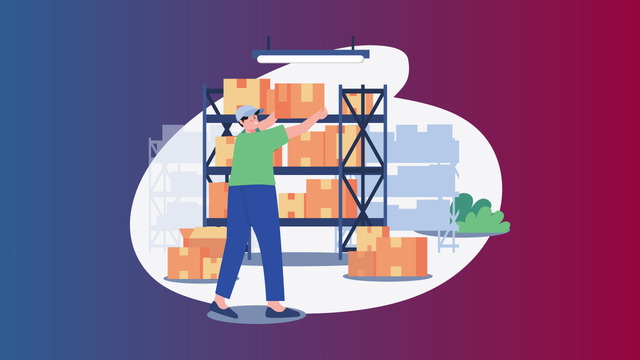
I spent the first week of January 2025 huddled in a cold, over-stuffed warehouse in New Jersey, staring at a literal wall of cardboard. We were in the middle of a 5.3x return spike following our biggest BFCM (Black Friday Cyber Monday) ever, and our "traditional" fulfillment model was absolutely buckling. My warehouse manager was telling me we had run out of floor space for incoming shipments because the "return-to-vendor" pallets were clogging every aisle. We were drowning in our own success. It was that specific moment—clutching a lukewarm coffee while watching a forklift struggle to find a single square inch of open dock—that I realized we didn't have a space problem; we had a velocity problem. If you’re an operator, you’ve felt that pit in your stomach. When things stop moving, they start costing you money. That’s when I became obsessed with the concept of a cross dock and how to stop treating our warehouse like a storage unit and start treating it like a high-speed transit hub.
What is a Cross Dock and Why Does It Matter for Your P&L?
Before we get into the "how," we need to answer the "what." For many new founders, the term is tossed around in boardrooms without much context. What is a cross dock in the real world? Essentially, it’s a facility where the "inbound" door and the "outbound" door are as close as possible. You aren't putting items on a shelf; you’re moving them from Truck A to Truck B.
In its purest form, what is cross docking? It’s the elimination of the "put-away" and "pick" steps. In a traditional warehouse, an item arrives, it’s scanned, it’s put on a rack (costing you rent), it sits there (costing you interest), and then eventually it’s picked and packed. With cross docks, that item stays on the dock floor for less than 24 hours.
Here’s where ops breaks: many brands try to cross-dock without the right data integration. If your WMS (Warehouse Management System) doesn't know exactly what is on the inbound truck before it arrives, the items just sit on the floor, creating a fire hazard and an operational nightmare. I’ve seen facilities where "cross-docking" just meant "leaving stuff in the aisle for three days," which is just poorly managed storage. (Yes, I’ve panicked over these aisle-clogs too, don't ask me how much coffee we drank to clear them).
The Benefits of Cross Docking in a Post-Pandemic Supply Chain
The primary benefits of cross docking come down to three things: speed, cost, and reduced risk. When you remove the "storage" element, you remove the cost of that storage.
-
Reduced Labor Costs: You aren't paying someone to walk to a rack on the fourth floor to put a box away.
-
Lower Holding Costs: Your capital isn't tied up in inventory that’s gathering dust.
-
Decreased Risk of Damage: The less an item is handled, the less likely it is to be dropped or crushed. (Honestly, most damage happens during the "put-away" phase when a forklift driver is having a rough Monday).
Now the logistics math that matters: every "touch" in a warehouse costs money. A standard pick-and-pack might cost you $3.50 to $6.00 in labor. A cross-dock move can cut that by 50% or more. But the tricky part regarding cross docking services is that they require a level of precision that many 3PLs (Third Party Logistics) simply aren't equipped for. You need a partner that lives and breathes velocity.
Finding a Cross Dock Warehouse Near Me: The Geography of Speed
If you’re a DTC brand, you’re likely searching for a "cross dock near me" or a "cross dock warehouse" in a strategic hub like Chicago, Inland Empire, or New Jersey. Why? Because these are the "choke points" of the American supply chain.
Take the amazon cross-dock facility - mdw2 in Joliet, Illinois. This facility is a beast. It’s designed specifically to take massive shipments from suppliers and "break them down" for distribution across the entire Amazon network. If you’re an FBA (Fulfillment by Amazon) seller, you’ve likely sent your goods here. MDW2 isn't where your product lives; it’s where your product is sorted and shot out to the rest of the world.
But here’s what most ops managers miss: relying solely on a massive hub like MDW2 can lead to "congestion risk." I remember a shipment of ours that sat outside a cross dock warehouse for four days because the facility was over-capacity during the 2024 peak. We had the inventory, the customers wanted it, but the "velocity hub" had become a bottleneck. This is why having a diversified network of smaller cross docks is often safer than relying on one mega-facility.
What is Cross-Docking in the Context of Reverse Logistics?
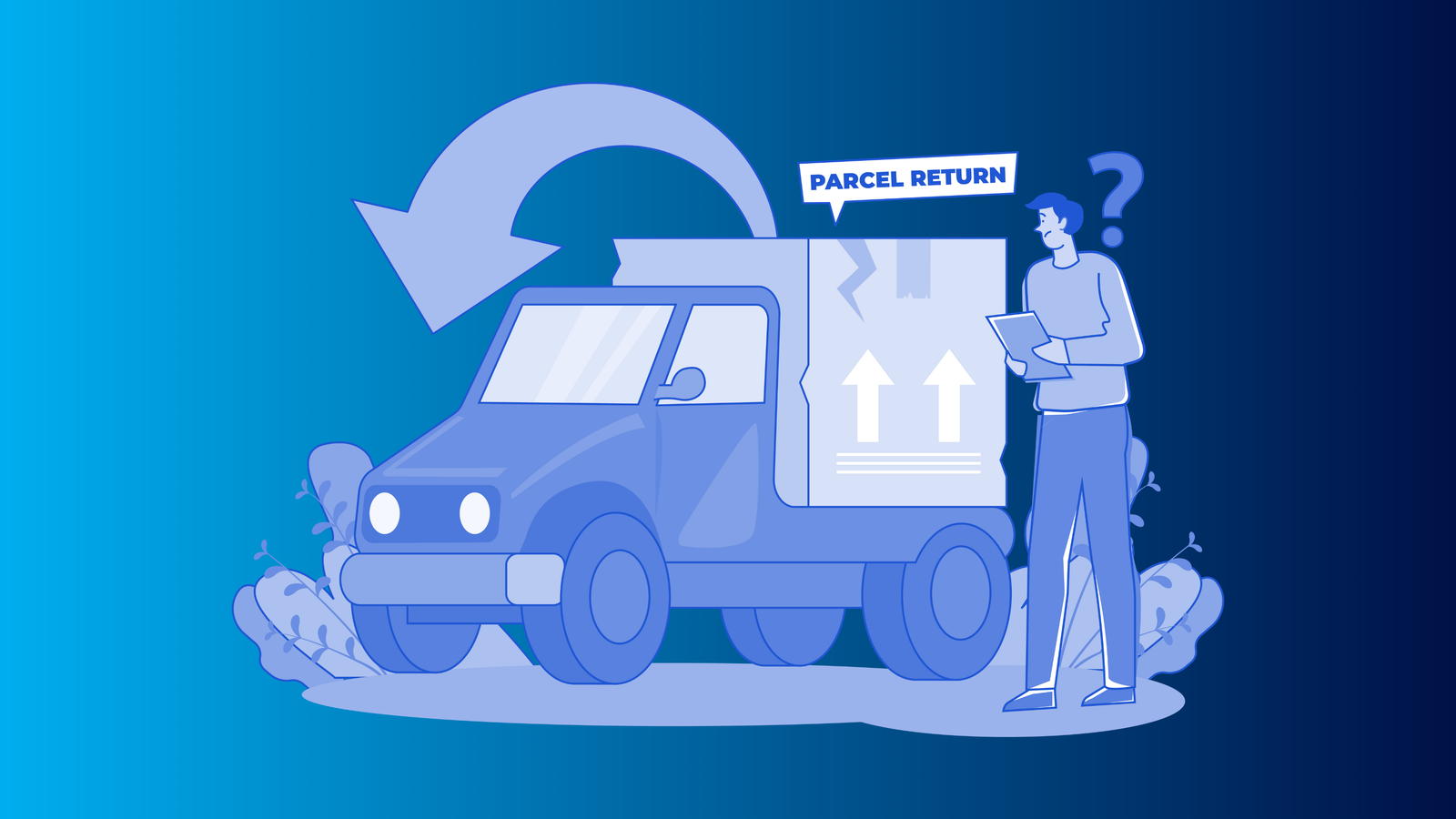
This is where the conversation gets interesting for DTC operators. Most people think of cross docking for inbound freight. But the real "final frontier" is using it for returns.
Standard returns are a disaster. The item goes back to a warehouse, sits in a "returns pile" for 10 days, eventually gets inspected, and then (maybe) gets put back on a shelf. During that time, the item is effectively "dead." It’s not available for sale, but you’ve already paid for the shipping to get it back.
In my opinion, the obsession with centralized warehouses is the single biggest tax on DTC founders today. We use enterprise tools like ShipBob for fulfillment and Narvar for tracking, but we still struggle with the physical reality of the return. I’ve seen brands spend $27 in processing and shipping fees for a $19 resale item. They were "cross-docking" the returns into a liquidation bin because the math didn't work to do anything else. (It’s a nightmare, I know, I’ve had to sign off on those liquidation manifests).
Benefits of Cross Docking Services Without the Carrier Tax
When you use a traditional cross dock, you’re still paying for the truck to get there.
I remember an honest failure back in 2023. We tried to set up a "regional return hub" in California to handle our West Coast volume. We thought we were being smart. But the labor costs in CA were so high, and the "consolidation" shipping from the hub back to our main warehouse was so expensive, that we actually ended up increasing our per-unit return cost by $4. We were over-processing. We were trying to be "smart" with a 1990s toolkit.
The lesson? Don't move the item unless you absolutely have to. In my opinion, the only "true" cross-dock is the one where the item moves from the person who doesn't want it to the person who does, with as few miles in between as possible.
Common Issues Brands Face with Traditional Cross Docks
Even if you find a great cross dock warehouse, you’re going to run into these three issues:
-
The Visibility Gap: Once a pallet is "cross-docked," it often vanishes from your WMS for a few hours. This creates "ghost inventory" that you can't sell but know you have.
-
Labor Bottlenecks: Cross-docking requires a massive burst of labor for a few hours. If your 3PL is understaffed, those "high-velocity" pallets will just sit on the dock for two days.
-
Carrier Delays: You can be the fastest cross-dock in the world, but if UPS or FedEx doesn't show up for the pick-up, you’re just a storage unit again.
I’ve seen a brand lose $30,000 in a single week because their cross docking services provider had a software glitch that failed to print the outbound labels. The inventory was there, the trucks were there, but the "data" was missing. That is the risk of a centralized, tech-heavy bottleneck.
FAQ: What Operators Constantly Ask Me
Operators always ask me... Is cross docking right for small brands?
It depends on your SKU count and your volume. If you only have 5 SKUs and you’re doing 2,000 orders a month, traditional warehousing is fine. But once you hit 50+ SKUs or 10,000+ orders, you need the velocity of a cross dock to keep your warehouse from becoming a graveyard. Honestly, even small brands should look at local return routing to keep their margins healthy from day one.
Common question I see... What is the cost difference for cross docking services?
Generally, you pay for the "touch" rather than the "square foot." A 3PL might charge you $2.00 per pallet to receive and $2.00 to ship it out immediately, vs. a monthly storage fee of $20.00 per pallet. If you can move the inventory in 48 hours, the cross dock is significantly cheaper.
A question I see regarding Amazon... What does cross dock mean for FBA?
In the Amazon world, a cross dock like MDW2 is used to redistribute your inventory so it can be eligible for "Prime" shipping in different regions. You send 1,000 units to one spot, and they shoot 100 units to 10 different regional centers. It’s the only way they can maintain that 1-day delivery promise.
Conclusion: Designing a High-Velocity Future
As an operator, your job isn't to store products; it's to move them. Transitioning to a cross dock mindset is the first step in building a resilient, high-margin brand. The goal is the same: eliminate the "dead time" in your supply chain.
My balanced assessment? Centralized cross-docking is great for getting products to customers, but it’s a failing model for getting products back from them.
Don't let your inventory sit still. If it isn't moving, it isn't making you money.