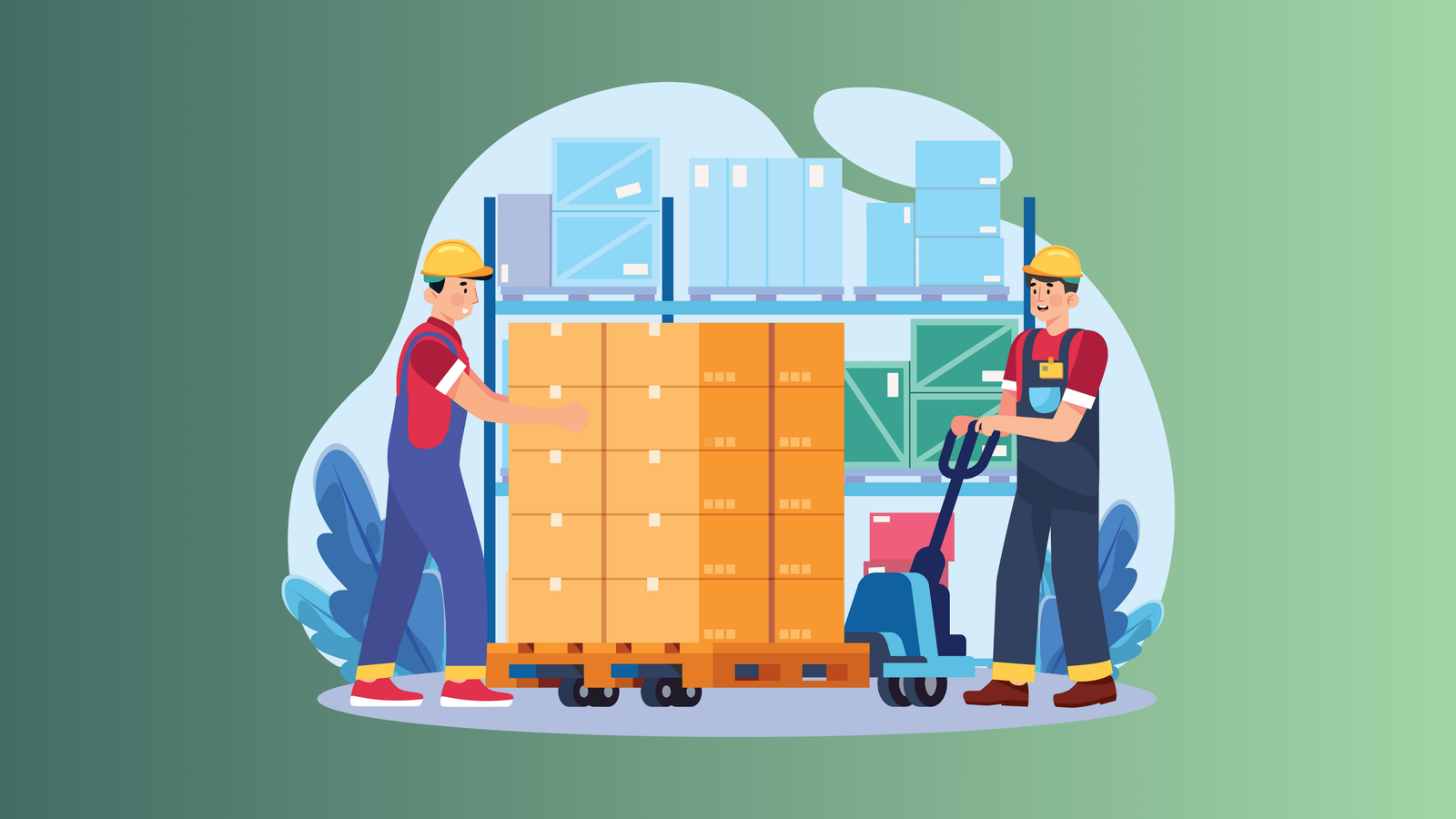
It was 2:00 AM on a Tuesday back in December 2024, and I was staring at a sea of cardboard boxes that seemed to be vibrating with the collective frustration of 10,000 customers. We were in the middle of a 5.3x return spike following a massive BFCM push, and our "traditional" facility was buckling. The warehouse floor was so congested that our pickers were literally tripping over return pallets while trying to fulfill new orders. Our refund backlog had hit a ten-day delay,and our CS team was effectively underwater. It was that specific warehouse bottleneck that forced me to realize that "throwing more bodies at the problem" wasn't a strategy—it was a death spiral. I realized then that if we didn't transition to a model that utilized smart warehousing and decentralized routing, our margins were going to be eaten alive by the sheer entropy of reverse logistics.
What is Smart Warehousing and Why Does the Industry Care?
If you’ve been in the DTC space for a while, you’ve probably heard the term tossed around in boardrooms like a magic wand. But what is smart warehousing really? At its core, it’s the intersection of physical space and digital intelligence.It’s not just about having a big building; it’s about having a building that "thinks."
When we talk about the smart warehousing market, we’re looking at a sector that has exploded as brands realize they can't scale with paper clipboards and manual spreadsheets. Smart warehouses use a combination of automated storage and retrieval systems (AS/RS), collaborative robots (cobots), and real-time inventory tracking. For an operator, the primary goal is simple: reduce the "touch" cost of every unit.
Here’s where ops breaks: many brands think that moving into a "smart" facility will solve their return problem. But honestly, most 3PL warehousing operations are still optimized for outbound shipments. They’re built to push boxes out the door, not to handle the messy, unpredictable flow of items coming back. I’ve seen brands pay premium rates for sungistix smart 3pl fulfillment & warehousing only to find that their returns were still being processed in a dark corner of the facility by a skeleton crew.
What Does SMART Stand for in Warehousing?
Operators always ask me: what does SMART stand for in warehousing? While some use it as a general adjective, in the logistics world, it often follows the classic mnemonic: Specific, Measurable, Achievable, Relevant, and Time-bound.
-
Specific: Automation targets specific tasks like "picking" or "sorting."
-
Measurable: Every movement is tracked via warehouse technology.
-
Achievable: Systems must handle real-world SKU variations (yes, I’ve seen robots try to pick a soft t-shirt and fail miserably).
-
Relevant: The tech must actually lower the cost per order.
-
Time-bound: Smart warehousing scheduling ensures that labor is optimized for peak waves.
Now the logistics math that matters: if your "smart" system takes 12 minutes to identify a return but a human can do it in 2, the tech isn't smart—it’s an expensive hobby. We once tried an automated return-sorting arm in our secondary facility.It was great at scanning barcodes, but it couldn't detect that a customer had returned a used brick instead of a $200 pair of sneakers. (Don't ask why humans are like this, but "fraud-by-brick" is a real thing we have to account for in any smart warehousing setup).
Regional Powerhouses: Smart Warehousing Edgerton KS
If you want to see this tech in action at an enterprise scale, you look at hubs like smart warehousing Edgerton KS.Located in the Logistics Park Kansas City (LPKC), this area has become a mecca for the smart warehousing market.Why? Because it’s geographically central, allowing for 2-day ground shipping to almost anywhere in the continental U.S.
The smart warehousing scheduling in these mega-hubs is a work of art. They use predictive analytics to anticipate when a BFCM-style spike is coming and adjust their automated workflows accordingly. But even in a place as advanced as Edgerton, the "reverse logistics" leg is the Achilles' heel. I remember a brand that was shipping all their returns from New York to Kansas just because that was their only "smart" facility. They were paying $14 in shipping labels for items that only cost $30 to begin with.
And here is where the "corporate" side gets interesting. A common question I see is: who owns smart warehousing?Many people wonder, is smart warehousing private equity owned? The answer is often yes. The massive capital required to build these smart warehouses usually comes from private equity firms or real estate investment trusts (REITs). This means the pressure for "efficiency" is high, which sometimes leads to the "over-processing" of returns I mentioned earlier.
What Are Smart Warehousing Systems? The Tech Stack That Matters
When we dive into what are smart warehousing systems, we’re looking at the "brain" of the operation. This includes:
-
Warehouse Management Systems (WMS): The core software that talks to your Shopify or ERP.
-
Warehouse Control Systems (WCS): The software that tells the robots where to go.
-
IoT Sensors: Tracking temperature, humidity, and location in real-time.
-
Computer Vision: Inspecting items for damage without a human eye.
But let’s be real—even the most advanced warehouse 3PL is still limited by the physical distance between the customer and the facility. You can have the fastest robots in Edgerton, but if a customer in Miami has to mail a box back to you,you’re still waiting five days for the carrier. Tools like ShipBob or Narvar have made the tracking of this process better,and Loop Returns or Happy Returns have made the front-end "feel" better for the customer. But the "final mile" of the return is still the most expensive mile in the world.
Operators Always Ask Me: "Is Smart Warehousing Private Equity Owned?"
Here's something every ops leader asks when they're looking at a 3PL contract: "Who am I actually dealing with?" As mentioned, much of the smart warehousing market is fueled by private equity. While this brings in great tech, it can also lead to rigid contracts and "hidden" fees for anything that doesn't fit their automated flow (like returns).
If you’re looking for a warehouse 3PL, you need to ask how they handle the "non-smart" parts of the job. I once worked with a provider that had amazing picking robots but used a manual paper system for returns. The result? A three-week backlog of "unprocessed" items that were technically in the building but invisible to our inventory system. Honestly, I’m still not sure how they justified their "smart" branding with that specific failure case.
Common Question I See: "How Does Scheduling Work in a Smart Warehouse?"
One question I hear from CFOs often is how to balance labor costs during the "valleys" of the year. Smart warehousing scheduling uses AI to predict when you’ll need 100 people and when you’ll only need 10.
But here’s the tricky part regarding carrier rates: your scheduling can be perfect, but if UPS or FedEx hits you with a surprise surcharge or a capacity cap, your "smart" plan goes out the window.
The Honest Failure of "Over-Automation"
I’ll admit to a major failure back in 2023. We were so enamored with smart warehousing tech that we automated our entire returns inspection process using high-end computer vision. We spent six figures on the setup.
The result? The system was too smart. It rejected items for having "micro-creases" that a human wouldn't even notice.Our "refurbishment" rate dropped by 30%, and we were sending perfectly sellable clothes to liquidation via Optoro. We eventually had to dial the tech back and bring in humans to oversee the AI. The lesson: smart warehousing is a tool, not a replacement for common sense. (And yes, I had to explain that specific ROI disaster to the board—another moment I’d like to forget).
3PL Warehousing: Selecting the Right Technology Partner
When you’re evaluating a 3PL warehousing partner, don’t just look at the robots. Look at the data integration. Can their WMS talk to your Narvar or Happy Returns portal in real-time? If there’s a delay in data, there’s a delay in your cash flow.
For many brands, the best stack in 2026 looks like this:
-
Primary 3PL: High-velocity outbound from a hub like Edgerton, KS.
-
Tracking/UX: Using Loop or Narvar to manage the customer interface.
Common Question I See: "Who Owns Smart Warehousing and Why Does it Matter?"
Operators always ask me if they should care about the ownership structure of their 3PL. It matters because it dictates their investment in warehouse technology. A PE-owned firm might be more focused on short-term efficiency gains, whereas a founder-owned firm might be more flexible with your specific brand needs.
In my opinion, the most "smart" move a brand can make isn't choosing a specific owner, but choosing a specific routing strategy. You want your inventory to be where your customers are.
Summary: Designing a Resilient Logistics Strategy
Transitioning to smart warehousing is no longer a luxury for DTC brands; it’s a survival requirement. Whether you’re looking at the massive infrastructure in Edgerton, KS, or implementing the latest 3PL warehousing tech, the goal is always the same: keep your inventory moving and your costs falling.
Don't let your margins die in a cardboard box on a loading dock. It’s time to get smart about how you move—and don'tmove—your inventory.