I will never forget the smell that filled my garage on a rainy Tuesday in November 2024. I had just accepted delivery of my very first "High Count Electronics" pallet. I paid $650 for it, plus $200 for shipping. I was convinced I was about to open a treasure chest of iPads, PS5s, and maybe a few MacBooks.
I cut the shrink wrap with a box cutter, my heart racing. The first box contained a tangled knot of generic USB cables. The second box held a broken humidifier filled with moldy water. The third box? Fifty-two identical phone cases for the Samsung Galaxy S8—a phone that hadn't been made in years.
I didn't find a single iPad.
That day, I learned the most expensive lesson of my reselling career: Amazon liquidation pallets are not a lottery ticket.They are a waste management business. You are essentially being paid (via the potential arbitrage margin) to sort through Amazon's trash to find the 20% of items that can be resaved.
If you are seeing ads on social media for "$99 Pallets" and wondering if this is your ticket to financial freedom, you need to pause. In 2026, the liquidation market is flooded with scams, middlemen, and cherry-picked garbage. But—and here is the kicker—it is still one of the only ways to buy inventory for pennies on the dollar if you know exactly where to look.
What Are Amazon Liquidation Pallets? (The Good, Bad, and Broken)
To understand why amazon liquidation pallets exist, you have to understand Amazon's problem. Amazon has a "customer is obsessed" return policy. Millions of items are returned every week. Checking, repackaging, and restocking those items costs a fortune. Often, it is cheaper for Amazon to just shove them onto a pallet, wrap it in plastic, and sell it to a liquidator for 5% of the retail value.
Here’s where it gets interesting... The pallet isn't just one thing. It’s a mix.
-
Overstock: Brand new items that just didn't sell. (Gold).
-
Box Damage: Perfect items in crushed boxes. (Silver).
-
Customer Returns: Used, opened, or broken items. (The Gamble).
When you see pallets of merchandise for sale, you are usually buying "Uninspected Returns." This means Amazon didn't check them. One customer might have returned a TV because "it didn't fit the wall" (Brand New). Another might have returned a TV because "I threw a brick at it" (Trash). You get both.
Is Amazon Liquidation Pallets Legit? (Scams vs. Real Sources)
The most common search I see is "is amazon liquidation pallets legit" or "is amazon pallet liquidation legitimate."
The answer is: The industry is legit, but the ads are not.
The Facebook/Instagram Scam
If you scroll Facebook and see a video of a guy opening a box full of iPhones with a caption "Amazon Unclaimed Packages - $39.99," that is a lie.Is amazon pallet liquidation legit if it's sold on a random Shopify site with a countdown timer? No. I once tested one of these "mystery boxes" in 2023 just to see. I paid $59. I received a cheap Bluetooth speaker the size of an egg. It didn't work.
The Real Deal
Are amazon liquidation pallets real? Yes, but they are sold on boring, ugly B2B auction websites, not flashy social media ads. Legitimate liquidation happens on:
-
Amazon Liquidation Auctions (B-Stock): The official channel.
-
Liquidation.com: A massive marketplace for all retailers.
-
Direct Liquidation: A partner that sells returns from Walmart, Lowe's, and Amazon.
How to Buy Amazon Liquidation Pallets (The Official Channels)
If you want to buy pallets without getting ripped off, you have to follow a strict process. You cannot just use your personal Amazon Prime account.
1. Get a Resale Certificate Legitimate liquidators like B-Stock will not sell to you unless you are a registered business.They do not charge sales tax, so they need your state-issued Resale Certificate to prove you are buying for resale.(Parenthetical aside: Getting this certificate usually costs $0 to $50 depending on your state. Do not pay a "guru" $500 to file this for you. Go to your state's Department of Revenue website.)
2. Register on B-Stock Go to amazon.bstock.com. This is the direct source. However, be warned: The competition here is fierce. You are bidding against massive warehouses that buy truckloads.
3. Analyze the Manifest Never buy "Blind" unless you are desperate. Look for "Manifested" lots. This means there is a spreadsheet listing every item. I download the spreadsheet and copy the UPCs. Then, I use the Closo demand predictorto analyze the list. I paste the UPCs into Closo, and it tells me:
-
The current resale price on eBay/Poshmark.
-
The velocity (how fast it sells).
-
If the demand is "High," I bid. If the demand is "Low" (even if the retail price is high), I skip. You don't want a garage full of high-value items that nobody wants.
Direct Liquidation Amazon Return Pallets: A Specific Strategy
One of the most user-friendly sites for beginners is Direct Liquidation. They often act as a middleman for direct liquidation amazon return pallets.
Why I like them:
-
They often have smaller lots (you don't always have to buy a full truck).
-
They provide photos of the actual pallet, not stock photos.
My Honest Failure: In early 2025, I bought a pallet from Direct Liquidation labeled "General Merchandise." The manifest looked good—lots of kitchen appliances. When it arrived, 40% of the appliances were missing cords or carafes. I hadn't accounted for the "parts" factor. I spent weeks hunting down replacement cords on eBay.Lesson: If you buy appliances, assume they are incomplete.
Finding Amazon Liquidation Pallets Near Me (Saving on Freight)
The killer in this business isn't the cost of the goods; it's the cost of the shipping. Shipping a pallet from California to New York costs $600+. If the goods cost $500, you are underwater before you start.
This is why you must search for "amazon liquidation pallets near me." You want to find a liquidation warehouse within driving distance so you can do a "Local Pickup."
How to find them:
-
Filter by Location: On Liquidation.com or B-Stock, filter the auctions by "State."
-
Google Maps: Search for "liquidation store" or "auction liquidation" in your city.
-
Facebook Marketplace: Believe it or not, local warehouses often post their overflow pallets here.
Opinion Statement: If you cannot find a pallet within a 3-hour drive, don't buy it. Unless you are buying a full truckload (24 pallets) where the shipping cost per pallet drops, shipping a single pallet cross-country destroys your profit margin.
The Logistics of Pallet Liquidations (Getting It Home)
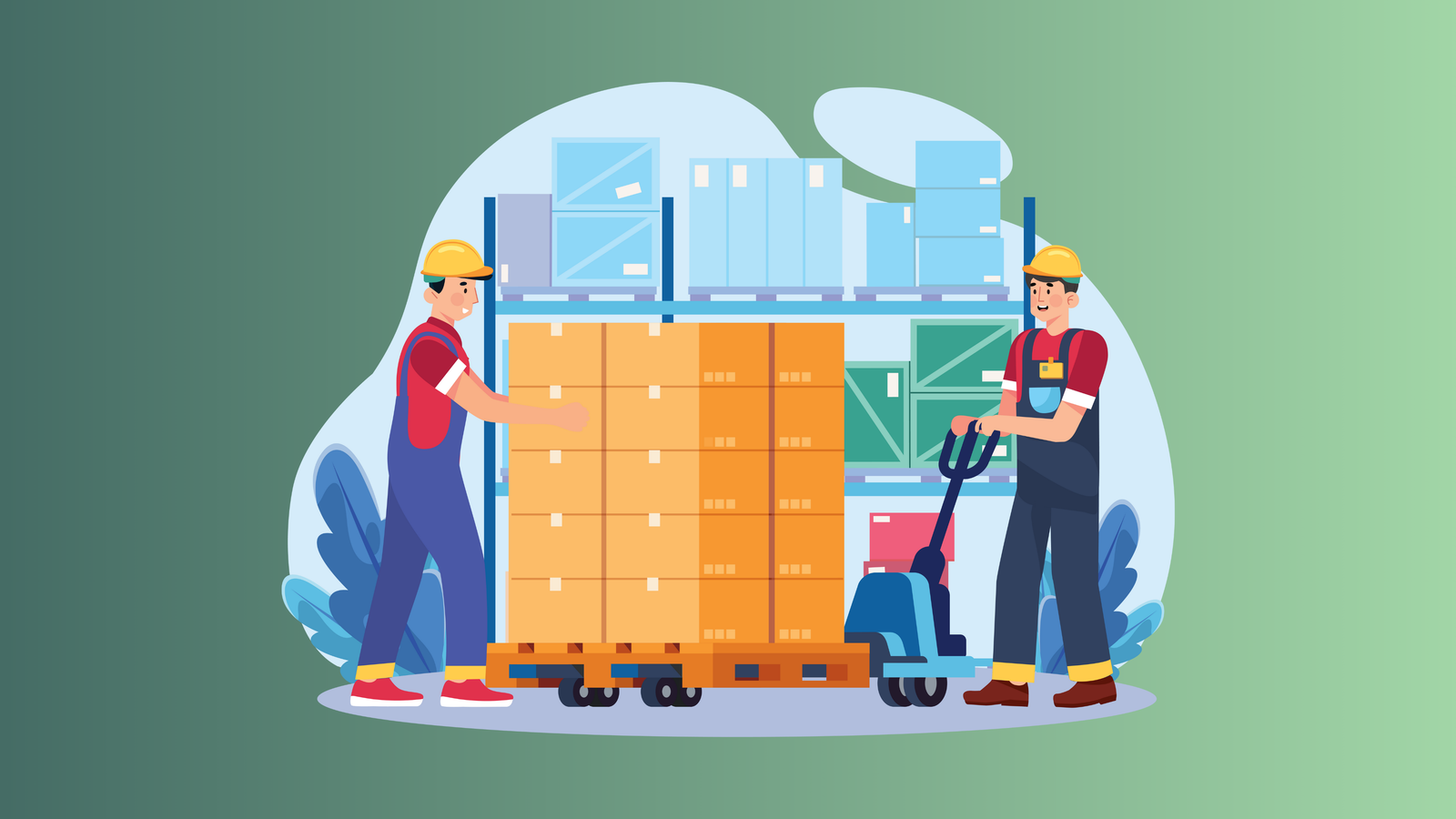
So you won the auction. Now the tricky part... You have a 1,500 lb wooden skid sitting in a warehouse. How do you get it to your garage?
1. The Liftgate Fee If you have it shipped to your house, the truck needs a hydraulic lift to lower the pallet to the ground.This service costs $50-$100 extra. Do not think you can "hand unload" it fast enough. The driver will not wait.
2. The Driveway Disaster I once ordered a pallet to my suburban home. The semi-truck was too big to turn down my street. The driver called me and said, "I'm parking at the gas station a mile away. Come get it." I had to rent a U-Haul trailer, drive to the gas station, and we used his pallet jack to push the pallet into my trailer. It was a nightmare.Lesson:Verify "Residential Delivery" access before you bid.
Sorting and Selling: The Reality of Pallets of Merchandise for Sale
Once the pallet is in your garage, the real work begins. You are now a professional sorter.
My Workflow:
-
Trash: About 20% goes straight to the dumpster. (Broken glass, used hygiene products).
-
Donate: Items that are low value (under $10) but functional. It’s not worth my time to list a $5 toothbrush holder. I donate these for the tax write-off.
-
List: The remaining 50% are the gold.
I use Closo as my Closo inventory supplier tracking system. When I process the pallet, I log the items into Closo. I assign a "Cost of Goods" to each item based on the total pallet cost.
-
Example: Pallet cost $500. Contains 100 sellable items. Cost per item = $5. Closo then helps me cross-list these items to eBay, Poshmark, and Mercari simultaneously. I use Closo to automate the delisting process—if that toaster sells on eBay, Closo pulls it off Poshmark instantly so I don't double sell. It saves me about 3 hours weekly of inventory management.
Comparison: Buying Direct vs. Middleman
Should you go to the source or buy from a local flipper?
My Recommendation: If you are new, go to a local liquidation store or bin store first. Buy a few items. See if you like fixing/cleaning them. Do not drop $1,000 on a B-Stock pallet until you know you can handle the trash.
Common Questions I See
People always ask me... Do I need a business license to buy pallets?
For the official Amazon sites (B-Stock), yes. You need a Resale Certificate. However, for third-party sites like Liquidation.com or Genco, or local warehouses, you often do not need one, but you will have to pay sales tax on the purchase.
Common question I see... How much money can I make per pallet?
My rule is "Double or Nothing." If I spend $500 (all in), I want to see $1,000 in recoverable revenue. After fees and shipping, that leaves me with $200-$300 in profit for about 10 hours of work. It is not passive income. It is hard labor.
People always ask me... What are the best categories to buy?
"Small Appliances" and "Tools" are my favorites. They have high resale value and are easy to test. "Clothing" is a nightmare because of returns (sizing issues) and the time it takes to photograph. "Electronics" is high risk because of iCloud locks and hidden damage.
Conclusion
The world of Amazon liquidation pallets is messy, loud, and dusty. It is not the "passive income" dream that influencers sell you. But it is an honest grind. There is a specific thrill in turning a "broken" pallet into $1,000 of profit by cleaning,testing, and listing items that others gave up on.
My honest assessment is that you should treat this like a second job, not a hobby. You need space (a garage is mandatory),you need tools (cleaning supplies, boxes), and you need patience.
If you are ready to get your hands dirty, start by finding a local auction. Avoid the freight costs. And once you have that garage full of inventory, don't let it sit there. Use the Closo Seller Hub to learn how to move that inventory fast across every marketplace available.
For a better understanding of what items sell best (so you know what to bid on), check out the Amazon Haul App guide—it gives great insight into the "budget" trends currently flooding the market.
And to price your items correctly against the new inventory flooding the market, read Is Etsy Legit 2026 to see how handmade pricing compares to liquidation flipping pricing.